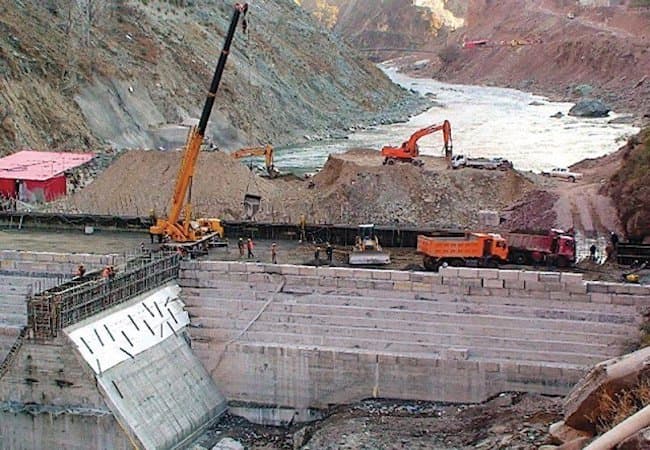
USD 1B
01 / 16
In progress
Dasu Hydropower, Stage I
World Bank second added financing
More electricity from water and support for nearby areas.

Our first goal as the Youth of Pakistan should be to cut Pakistan's public debt owed abroad by as much as possible, as soon as possible. Ideally, we reach zero by 2040.
Our first debt goal
March 31, 2026
USD 92B
Public debt owed to lenders outside Pakistan. Ideal: USD 0 by 2040.
Pakistan asked for loans to meet needs and wants it could not pay for from its own income. Lenders gave Pakistan the money. They helped fund plans that Pakistan chose. Some plans were useful. Some cost too much, took too long, or were not the best use of scarce money. That is our problem to fix as citizens of Pakistan. No one else can own it for us, no matter how unfair it may feel. We choose to take responsibility and act.
Pakistan's Planning Commission says 90% of ongoing federal projects had revised time or cost plans. It links much of this problem to spreading money across too many projects. We should choose fewer, better projects and finish them well.
These examples show some of what Pakistan built, improved, or is still building with foreign financing. They do not add up to the full USD 92B. That total also includes budget help, emergency help, older projects, and loans used to manage past payments.
USD 1B
01 / 16
In progress
World Bank second added financing
More electricity from water and support for nearby areas.
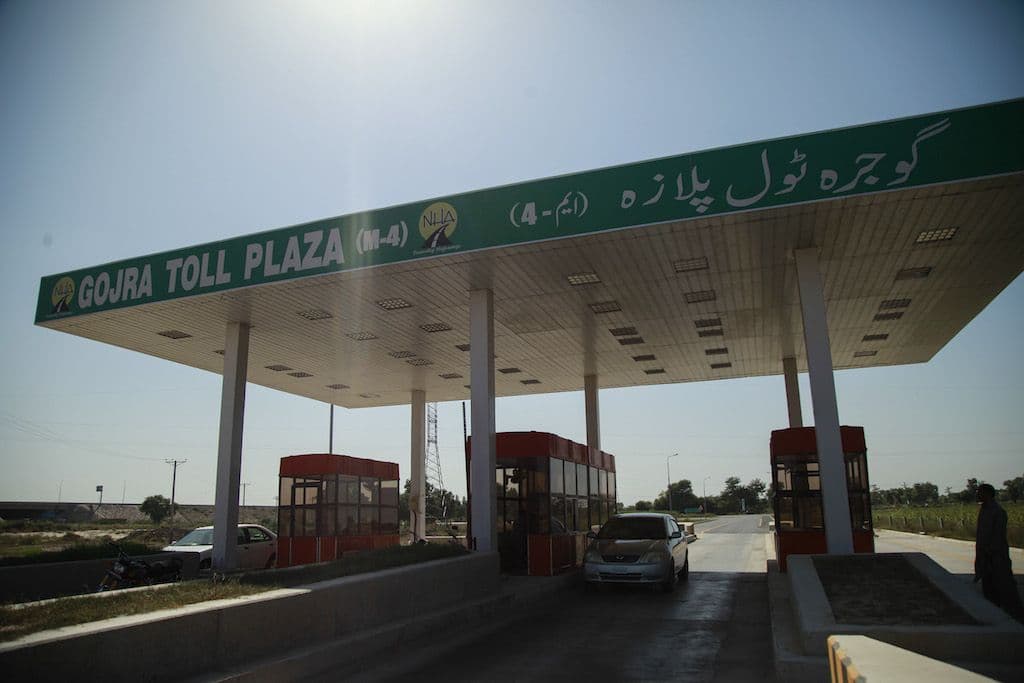
USD 800M
02 / 16
In progress
ADB financing facility
Better roads for trade across Sindh, Punjab, and Khyber Pakhtunkhwa.
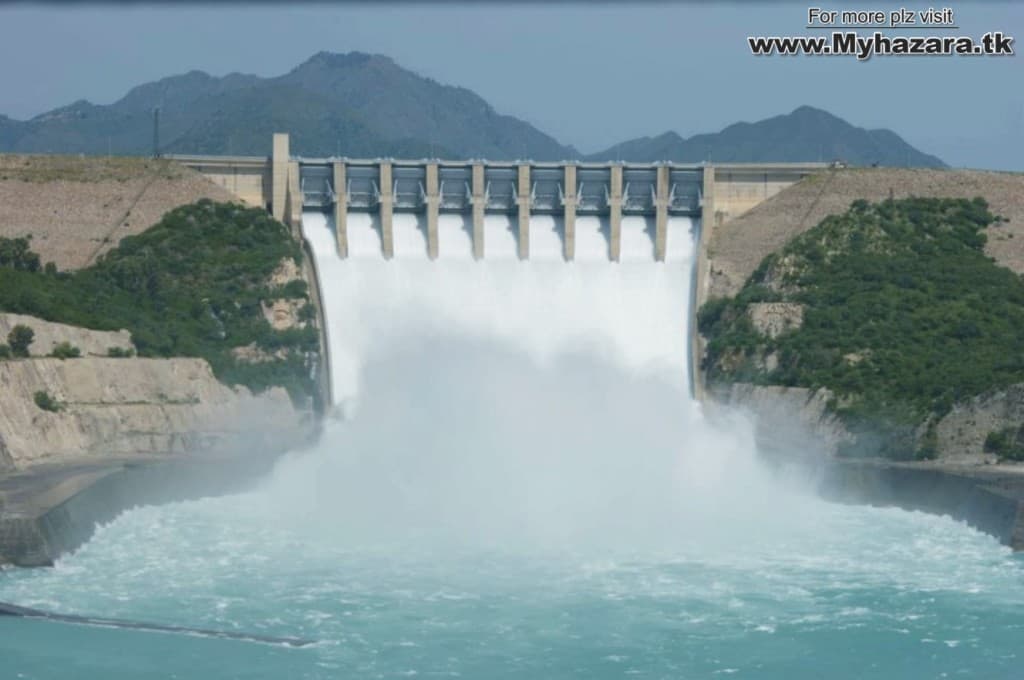
USD 725M
03 / 16
Completed
World Bank loan and credit
More power from the existing Tarbela dam.
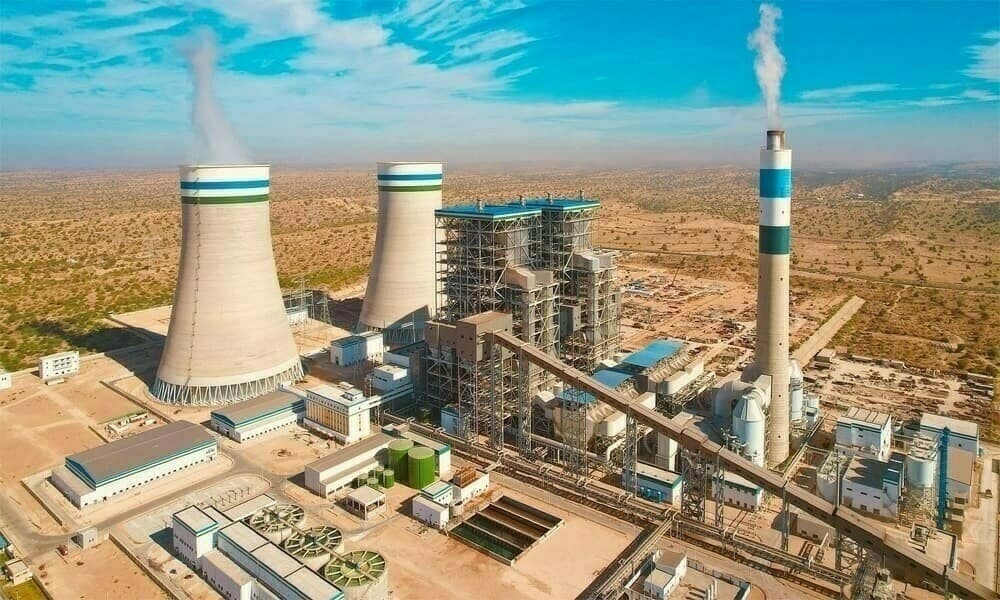
USD 691M
04 / 16
Completed
ADB listed loans
A new power unit and changes to the energy mix.
USD 690M
05 / 16
In progress
World Bank and AIIB loans
More power from the existing Tarbela dam.
USD 654M
06 / 16
Completed
ADB emergency loan
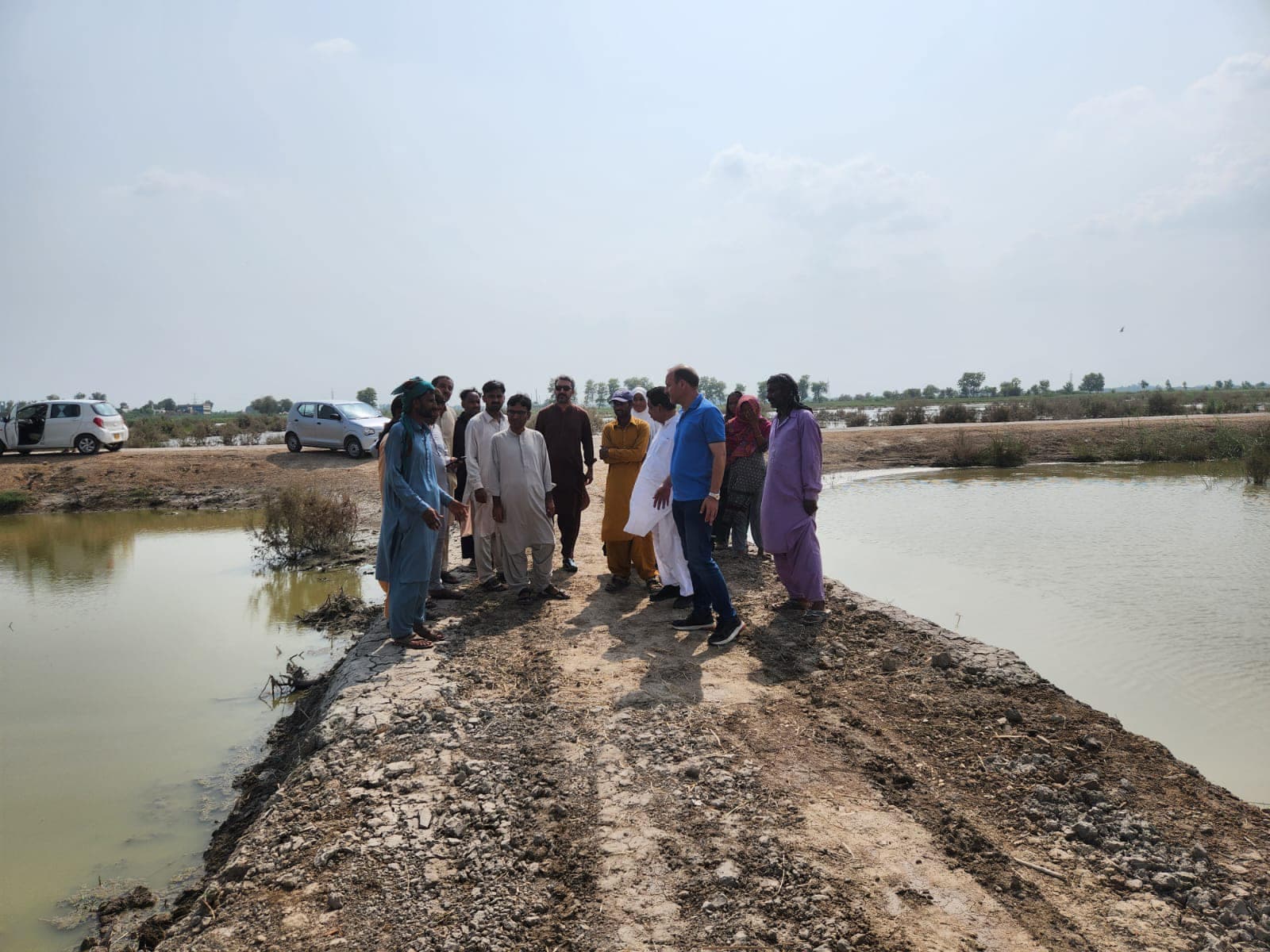
Repair roads, bridges, and irrigation after the 2010 floods.
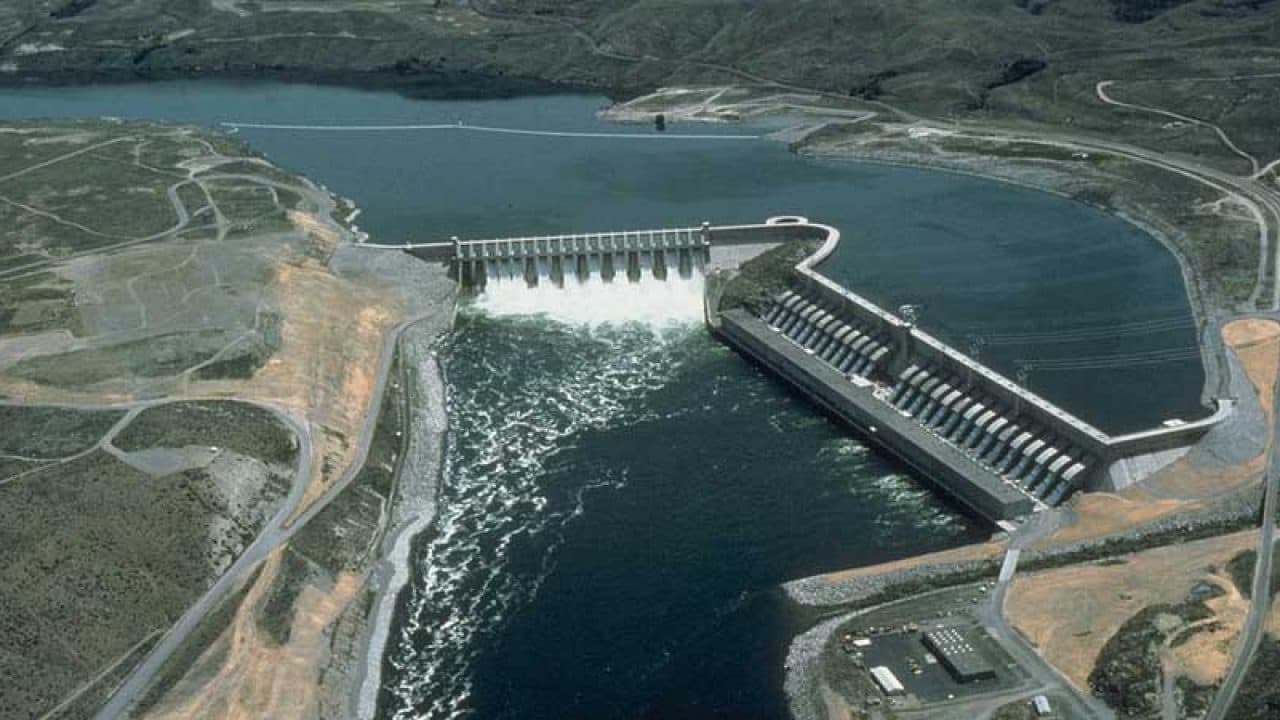
USD 550M
07 / 16
In progress
ADB and AIIB loans
A 300 megawatt power plant on the Kunhar River.
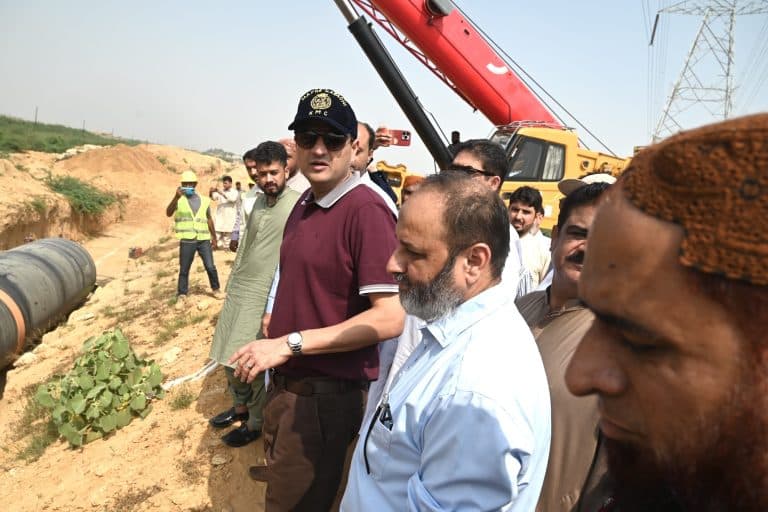
USD 480M
08 / 16
In progress
World Bank and AIIB financing
Safer water, sewerage, and waste water services in Karachi.
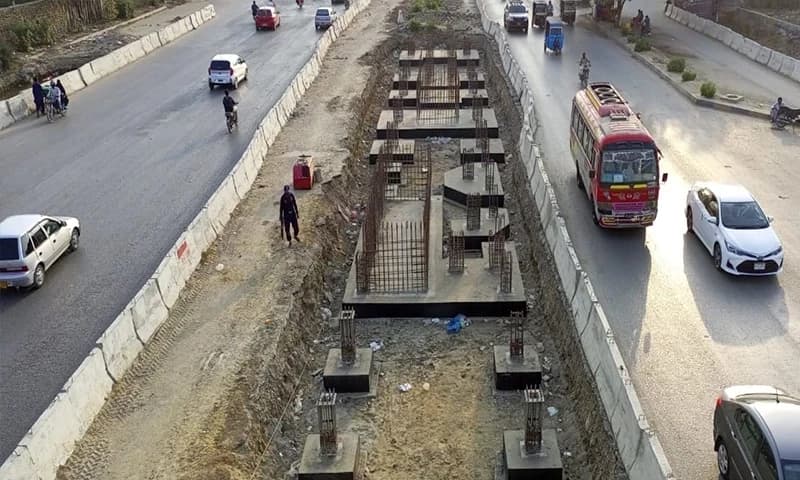
USD 416M
09 / 16
In progress
ADB, AFD, AIIB, and GCF loans
A new bus route and better public transport in Karachi.

USD 404M
10 / 16
Completed
ADB loan and AFD financing
Solar power for more than 12,000 public schools, plus clean energy for health centres and villages.
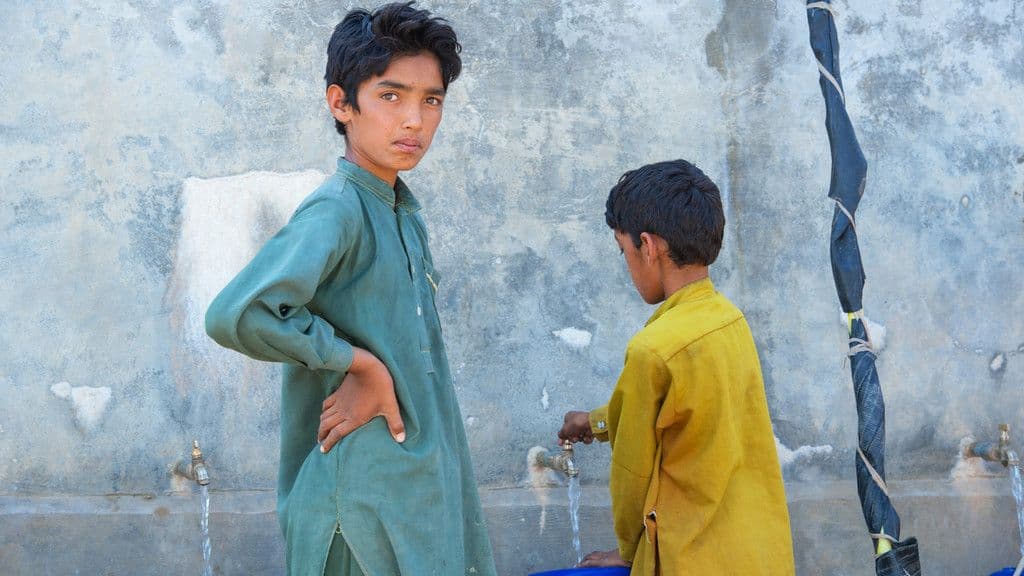
USD 385M
11 / 16
In progress
ADB loan and grant
Water, sewerage, waste, and public spaces in five cities.
USD 376M
12 / 16
In progress
World Bank financing
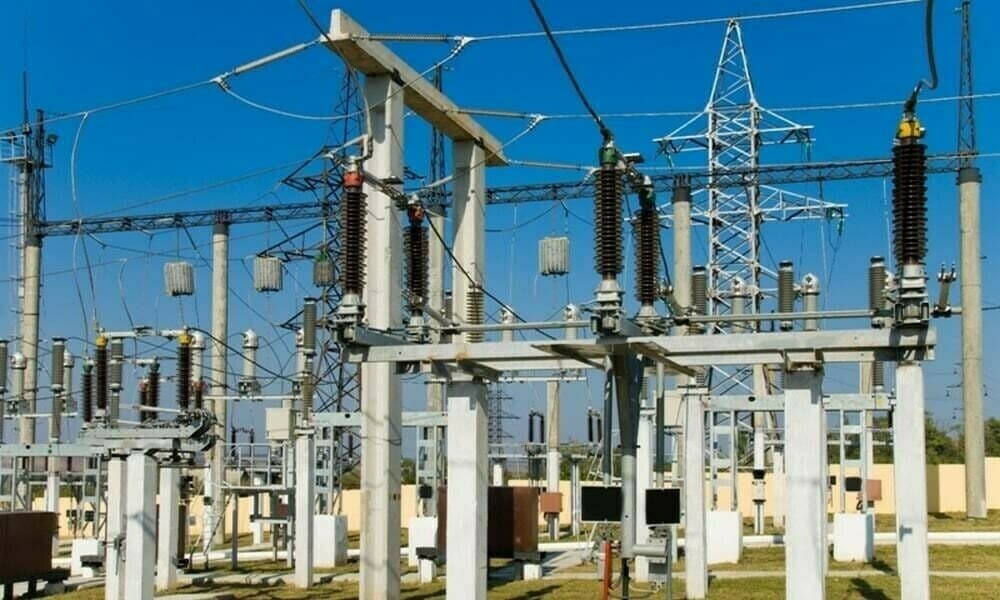
A stronger national power grid for more reliable electricity.
USD 335M
13 / 16
Completed
ADB loan
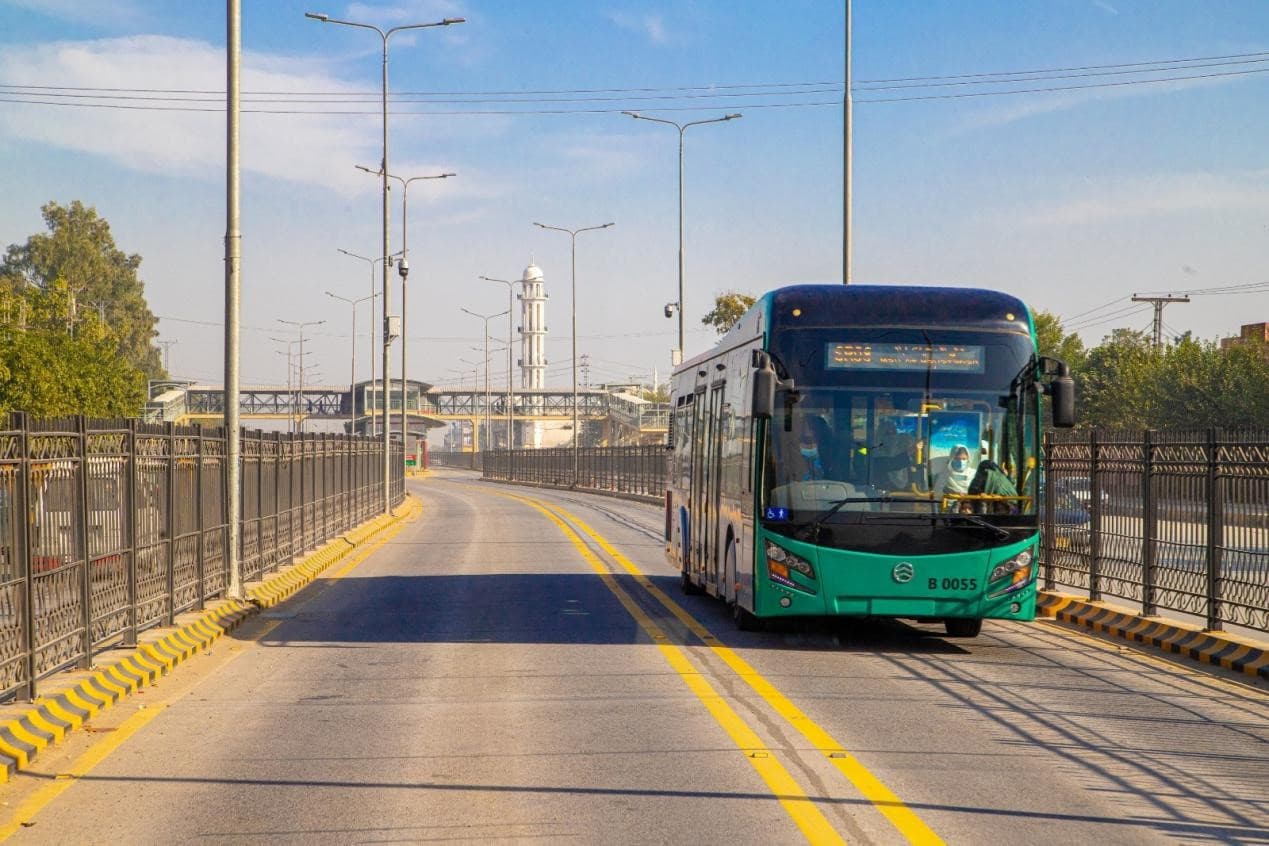
A bus system and safer travel in Peshawar.
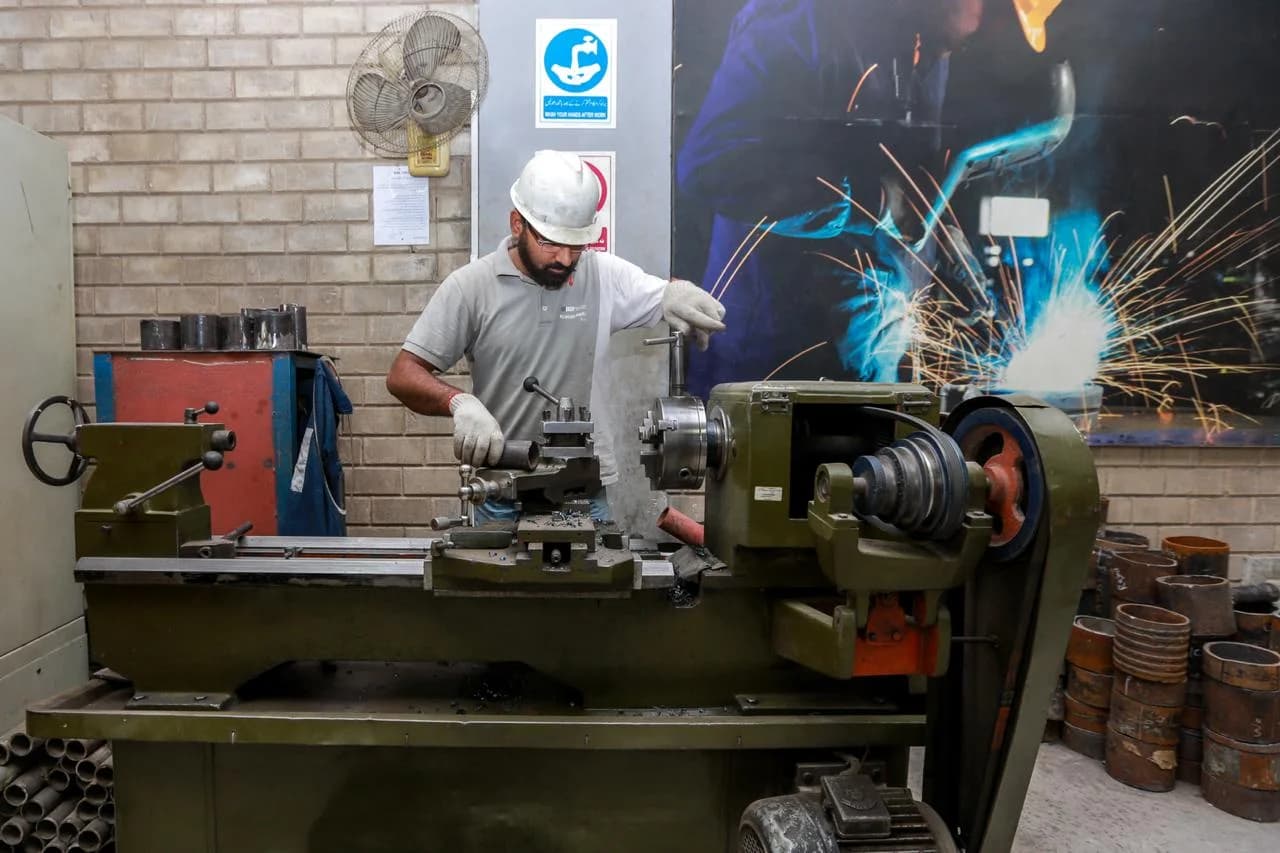
USD 240M
14 / 16
In progress
Saudi Fund loan shown here
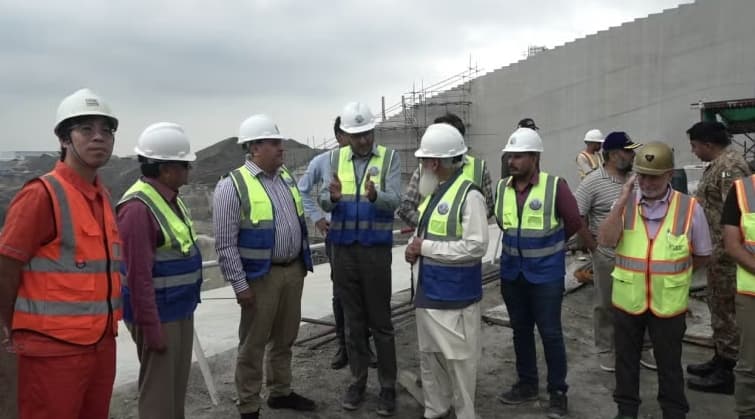
Power, water storage, flood control, and drinking water.
USD 200M
15 / 16
Completed
World Bank IDA credit
Cleaner streets, safer roads, water, drains, parks, and better city systems in 16 cities.
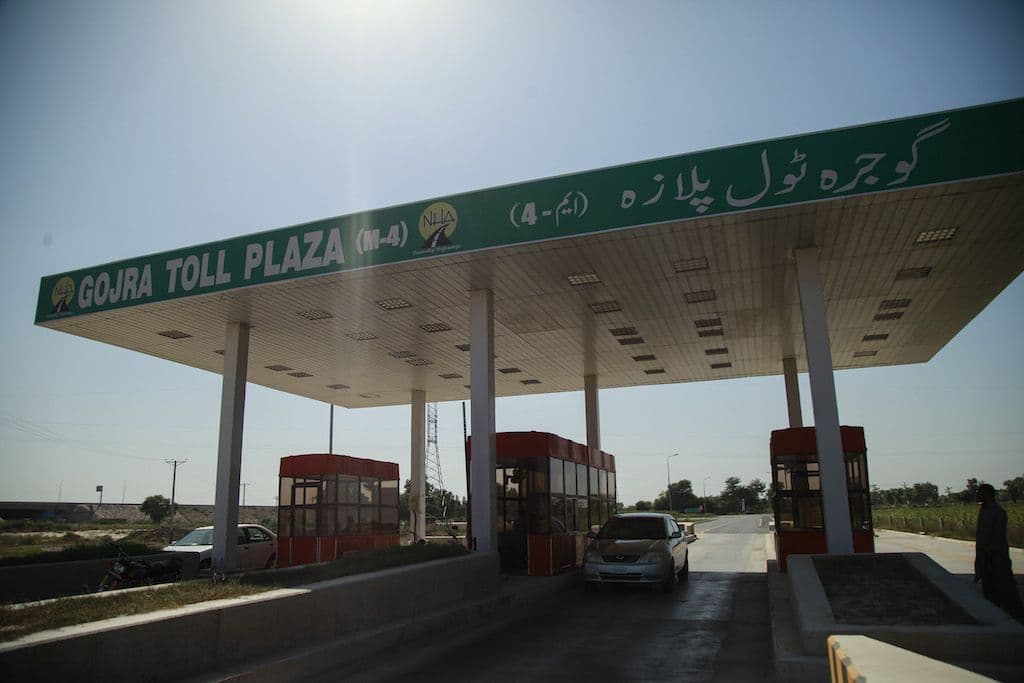
USD 178M
16 / 16
Completed
ADB loan
A motorway link for faster trade and travel in Punjab.
It can mean three things. Each goal gives Pakistan more room to choose. Each goal also leaves some limits in place.
Goal: Cut the selected USD 92B of public debt owed abroad by as much as possible, as soon as possible. Ideally, reach zero by 2040.
What this gives us
The government gets more room to put people first when it sets taxes, power prices, and public spending. Young people get more room to learn, work, and build without emergency loan terms shaping daily life.
What still limits us
We would still owe large lenders at home. We would still need dollars for fuel, medicine, and machines. Bad budgets could still hurt people.
Goal: Reduce taxes and money printing used to cover waste, weak systems, and the wrong priorities. Keep with the federal government. Move other spending choices closer to the people they affect.
What this gives us
People keep more of what they earn. Local communities can choose which services to fund together and which to buy for themselves. Less waste means less pressure to raise taxes or print money.
What still limits us
Defence, foreign relations, and national projects still need shared money. Food, fuel, weather, and world prices can still cause inflation. Local choice needs capable and honest local government.
Goal: Stop using local debt for day-to-day consumption. Use it for long-term projects and ventures with a clear goal, a clear end date, and a public test of success.
What this gives us
Work with affluent Pakistanis, through banks, to fund useful ventures. Where it fits, capital should share gains and losses like equity instead of demanding fixed debt payments.
What still limits us
This still needs spending discipline. Leaders must resist easy promises that win quick support but leave a long bill. Banks and investors also need honest books, clear terms, and firm end dates.
We choose Level 1 first: cut debt owed abroad as much and as fast as possible, with zero by 2040 as the ideal. The next two levels are directions for later work. They need their own targets and public debate before they become plans.
Pakistan asked the IMF for help because it needed dollars and trust. The program aims to make the economy stable. But when Pakistan needs an emergency loan, the agreed steps can shape life at home.
Power and gas bills
Prices are kept closer to the cost of supply. This can raise bills for families and the cost of running a small business.
Taxes and shop prices
A wider tax net and fewer sales tax breaks can leave families with less money or make some goods cost more.
Jobs and public services
A tight budget can leave less room for quick help, new public jobs, schools, health care, and projects unless money is moved from somewhere else.
The rupee and imports
A flexible rupee can fall when Pakistan faces a shock. Fuel, medicine, and machines from abroad can then cost more.
The program also asks Pakistan to protect vulnerable people, grow BISP, and spend more on health and education. The point is not that lenders are bad. The point is that needing emergency money gives Pakistan fewer choices. Earning our own dollars gives people more say.
Question 1
Our first measure is public debt owed to lenders outside Pakistan. It was about USD 92B on March 31, 2026. We want it to fall by as much as possible, as fast as possible. The ideal is zero by 2040. This is not all debt in Pakistan.
Ideal, not a forecast1This picture shows our ideal. It does not predict the future or show real progress. We must check progress with official numbers.
Red shows how the debt grew. Gray shows debt staying high. Green shows the ideal path: earn more and pay back more than we borrow.
Budget pressure
42.9%
Planned interest payments on all public debt take 42.9% of the federal budget for FY2026-27. This includes more than debt owed abroad.
What we owe now
Past spending and dollar gaps built today's debt.
If debt stays high
New loans can stop the total from falling.
Our 2040 ideal
Earn more from the world and cut debt as fast as possible.
PK Ventures works on part of the green path. We help people build strong companies that can sell to the world.
USD 92B
Our first measure
Public debt owed to lenders outside Pakistan, as of March 31, 2026.
USD 138B
A wider number
All debt and other amounts owed abroad, as of March 31, 2026. This is not our first measure.
USD 6.2B / year
Ideal yearly pace
The average yearly drop that would reach zero by the end of 2040.
Question 2
Pakistan owes many kinds of lenders. We want the selected debt to fall as fast as possible. Our ideal is zero by the end of 2040.
2040
This is a PK Ventures goal. It is not a government plan or a promise about the future.
This lender list is from December 2025 and totals USD 92.9B. Our main USD 91.7B number is from March 2026. The dates do not match, so use this list only to see who the main lenders were.
Snapshot: December 2025
Global lending bodies
The World Bank, Asian Development Bank, and other global lending groups.
USD 43.5B
47%
Other countries
Loans from other governments, including the Paris Club group of countries.
USD 24.3B
26%
IMF
Money still owed under IMF loan programs.
USD 10.2B
11%
Foreign banks
Loans from banks and other business lenders outside Pakistan.
USD 6.8B
7%
Global bonds and sukuk
Money raised from people and groups that bought Pakistan's global bonds and sukuk.
USD 6.3B
7%
Overseas certificates and other debt
Naya Pakistan Certificates and other public debt owed abroad.
USD 1.8B
2%
Total in this older list
USD 92.9B
100%
These groups come from the Ministry of Finance table for public debt owed abroad. They do not cover every debt or other amount owed abroad.
In the group called global lending bodies, the World Bank and Asian Development Bank are the two largest lenders.
Question 3
Pakistan must make the payments. PK Ventures cannot pay the country's loans. But we can help build companies that create value for the world, earn dollars, and pay taxes at home.
Most young people do not run the public budget. Their strongest lever is productivity: learn faster, use AI and other tools well, build useful things, and create more value in each hour. That helps firms serve more people, pay better wages, pay taxes, and earn dollars.
Growth gives Pakistan more money. But growth does not pay debt on its own. Pakistan must earn more dollars, keep more of them, and use part of the gain to cut debt.
Create more value for the world
Make goods and services that solve real problems abroad.
Keep more money at home
Make more at home when it makes sense. Waste less and buy fewer things from abroad when good local choices exist.
Save part of the growth
Collect taxes fairly. Spend with care. Save dollars and use part of the gain to pay back debt.
Make the debt fall
Pay back more than we borrow. Do not call a new loan progress just because it pays an old loan.
More productive people and better tools can grow the economy. But debt only falls when Pakistan keeps some of that gain and pays back more than it borrows.
The three actions above map to the three parts of Peter Fisher's equation.
Peter Fisher's growth components
Changes in total hours worked
Bring people home and help people stay
Changes in productivity
Turn talent into lasting value
New investment spending
Turn talent into lasting value
* AI factor: PK Ventures thesis: AI will affect both bracketed levers, hours worked and productivity. If those gains are large enough, they could create the possibility of high economic growth and make catch-up less constrained by new investment spending, especially for emerging economies such as Pakistan that have yet to converge with peers. This is not part of Fisher's original formula or a forecast.
Bring a real problem. Help turn it into a useful product, service, or company that creates value for the world.
Help with money, tech, sales, research, or running a company.
Bring your skills, money, trusted contacts, and work experience home with a clear plan.
Help good companies in Pakistan earn trust, raise money, and grow.
The debt is already here. But the future is not fixed.
Build work that creates value for the world
Help Pakistan pay back more than it borrows